
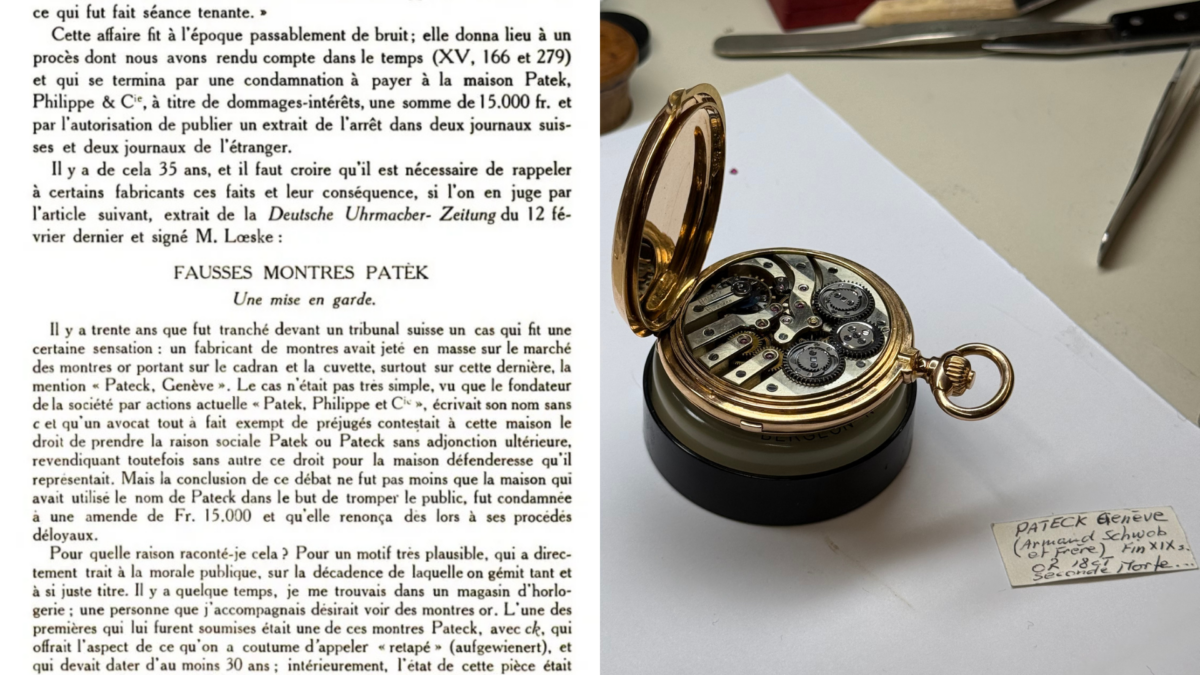
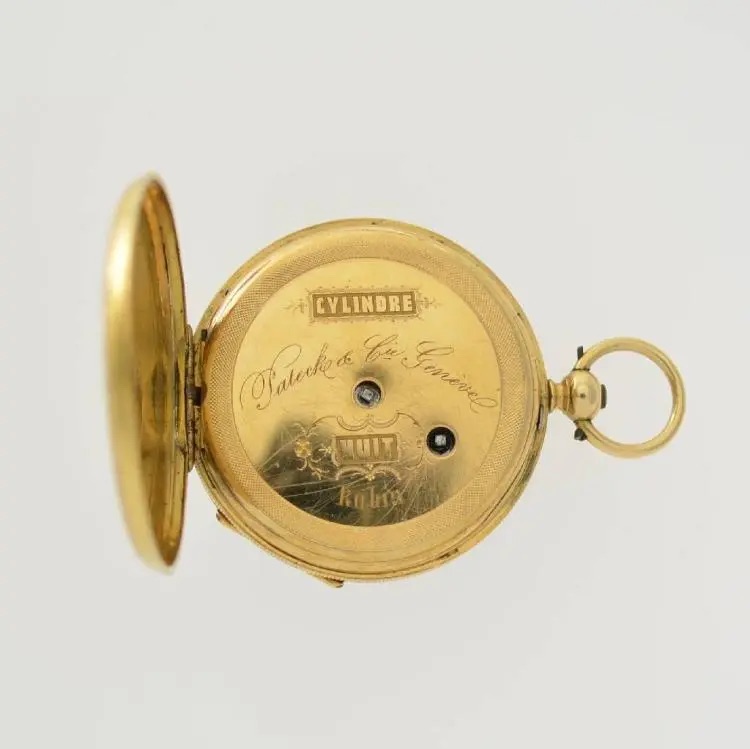
While the title does sound intense, I did in fact find a fake Patek at the Rexhep Rexhepi workshop in Geneva.
My Geneva Watch Week was absolutely special. And it was thanks to moments like these. Opportunities like these.
Opportunities like meeting and chatting with Mr. Rexhep about his work and his latest flyback chronograph release. Which I posted about here, for those who care about visuals.

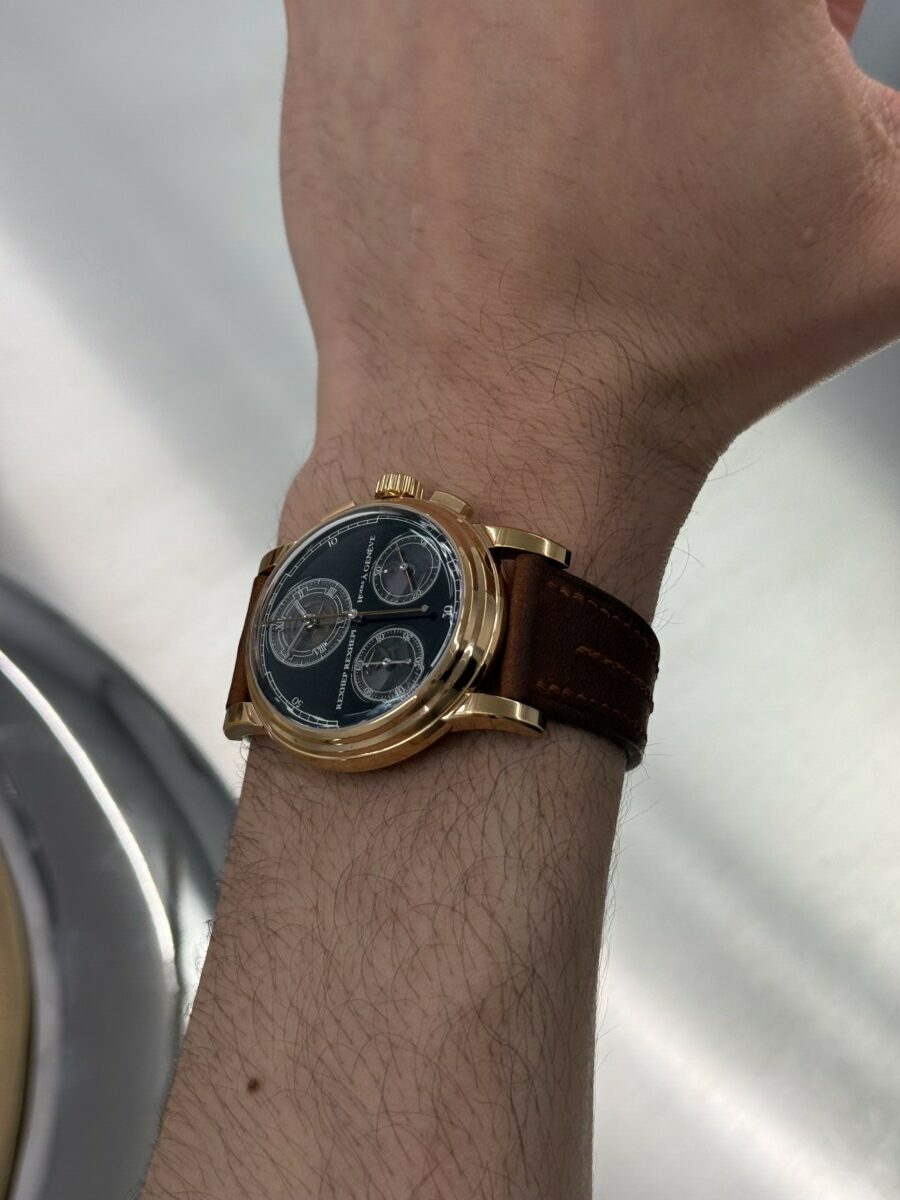
So during our appointment with the Akrivia team, we had a little time to kill. And while my partner was having some specialty tea, I got busy.
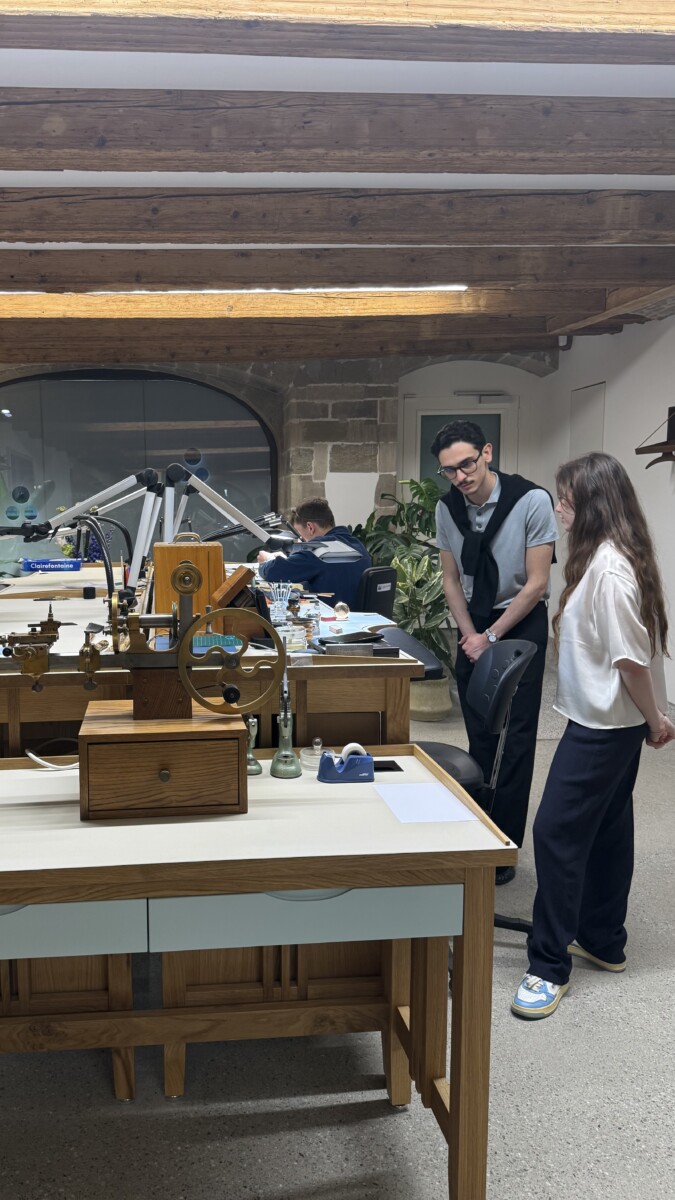

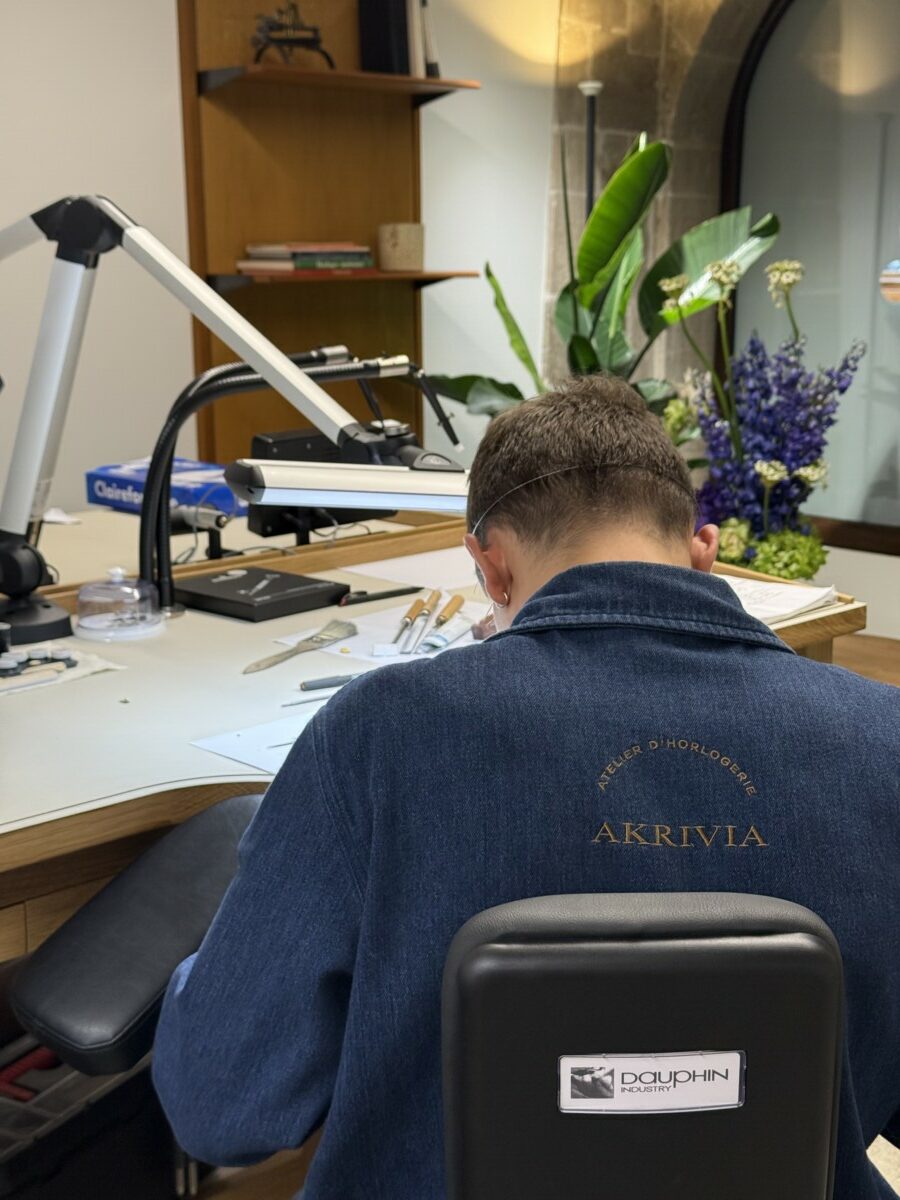
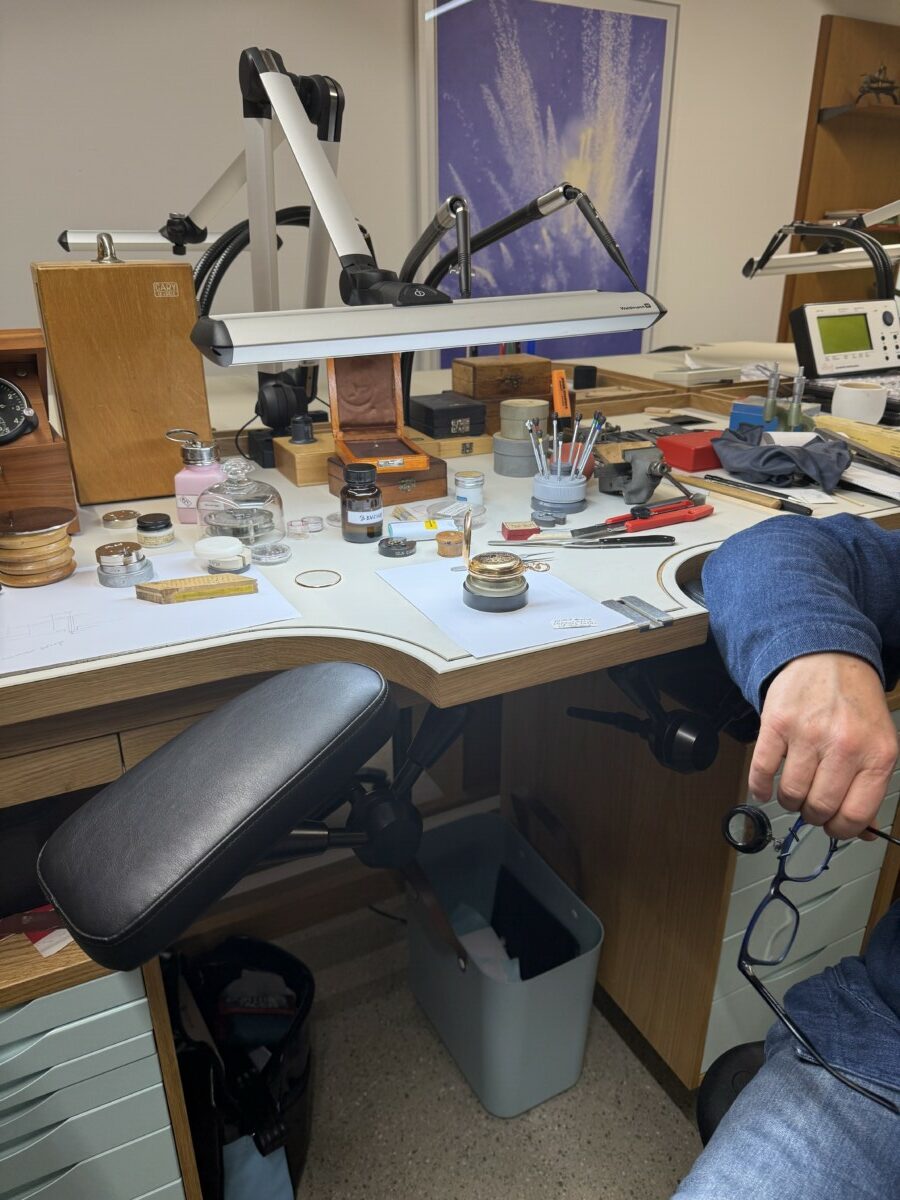
I greeted the intern (probably annoyed him too), looked around the work areas of all the watchmakers, saw all sorts of tools I’ve never seen before, spoke to the lovely team in place, checked out the new cases they make; literally the best leather I’ve ever touched.
Let me spare you the fan-girling. Let’s get to the fake “Pateck” story.
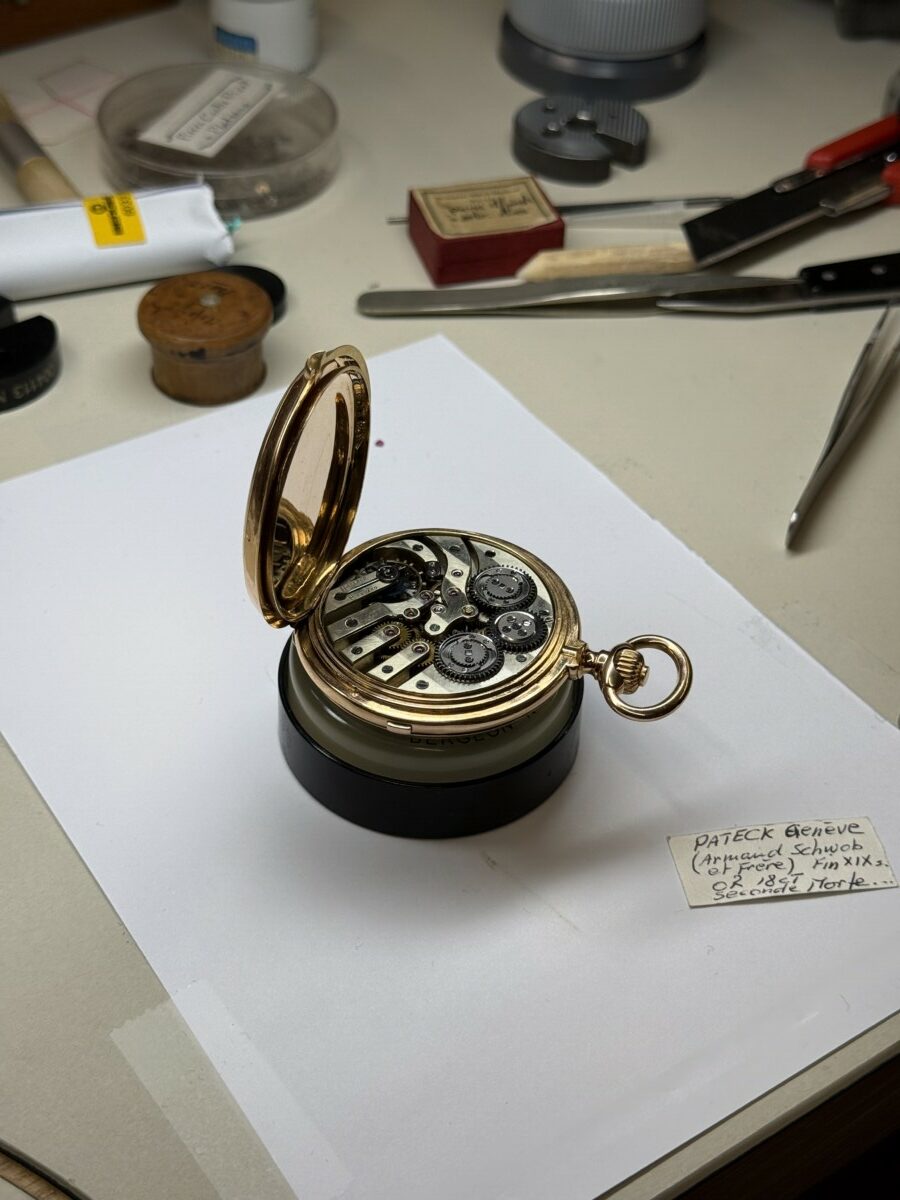
You might say to yourself that the name “Pateck” could just be someone’s name that happens to resemble that of the most prestigious watch brand of all time, Patek Philippe. You’d be completely wrong. It was a reference to Patek and an attempt to benefit from the brand’s popularity.
And tha’ts not me saying so, it was the Swiss courts that had to deal with exactly that argument.
Because what I found sitting quietly inside one of the most respected independent workshops in Geneva, and thanks to watchmaker Mr. Jean-Marc Wiederrecht, wasn’t just a curiosity. It was what remained from a legal battle that forced the industry to define what a name on a dial actually meant.
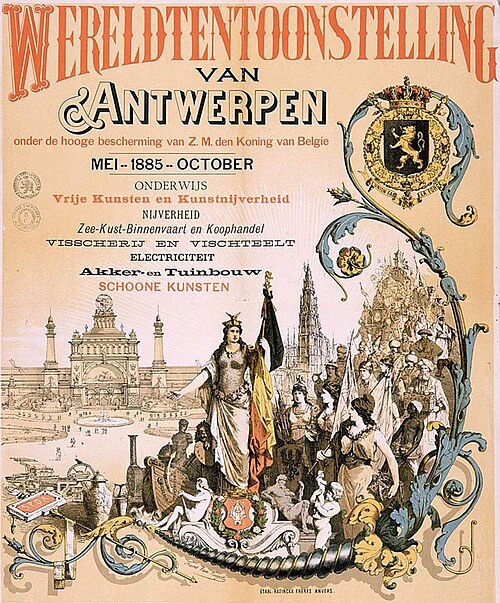
The story moves from Antwerp to Switzerland almost immediately. In 1885, at the Antwerp Universal Exposition, Adrien Philippe came across watches signed “Pateck & Cie, Genève” inside the stand of Armand Schwob & Frère. Not a small operator, but a well-established trading house with international reach.
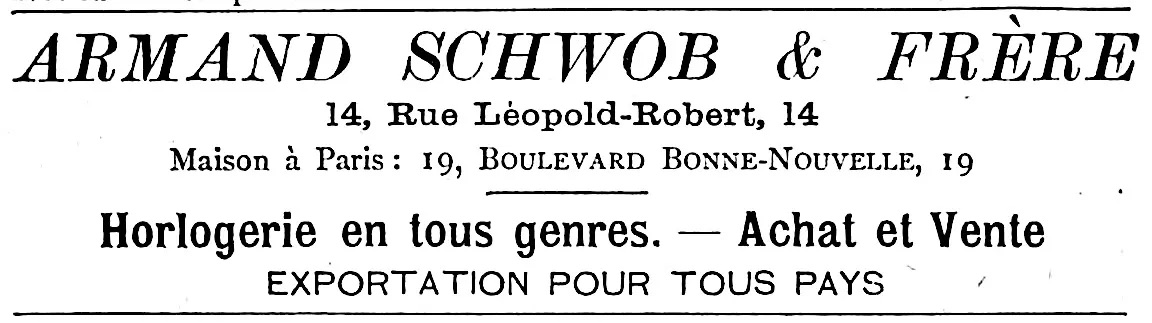
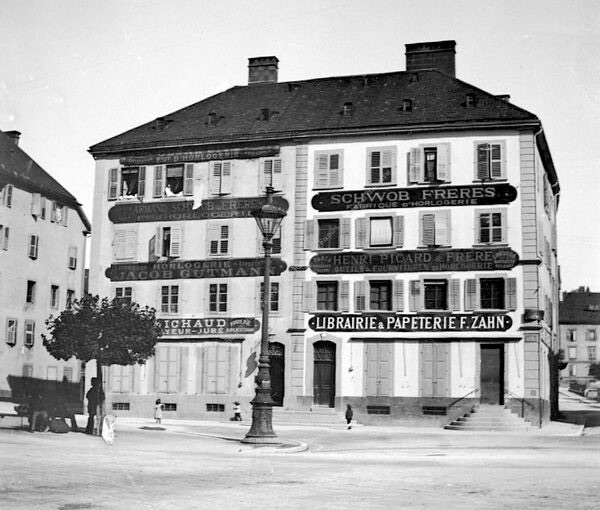
The suspicion didn’t come from the watches at first. It came from behavior. Schwob’s representatives restricted access to their display, presenting selected pieces rather than allowing free inspection. Once the watches were properly examined, the issue became obvious. Gold cases paired with low-grade movements. Not crude copies, but calculated ones.
This wasn’t an isolated mistake because on April 26, 1886, Patek Philippe formally filed a complaint. The case began in La Chaux-de-Fonds, where Schwob operated, before moving to the Cantonal Court of Neuchâtel.
By November 1890, after a four-day trial, the scale of the operation was clear. At least 678 watches bearing “Pateck” or “Pateck & Cie, Genève” had been produced or sold. The markings were not accidental. They were applied following direct written instructions from Schwob to his suppliers across the Jura.
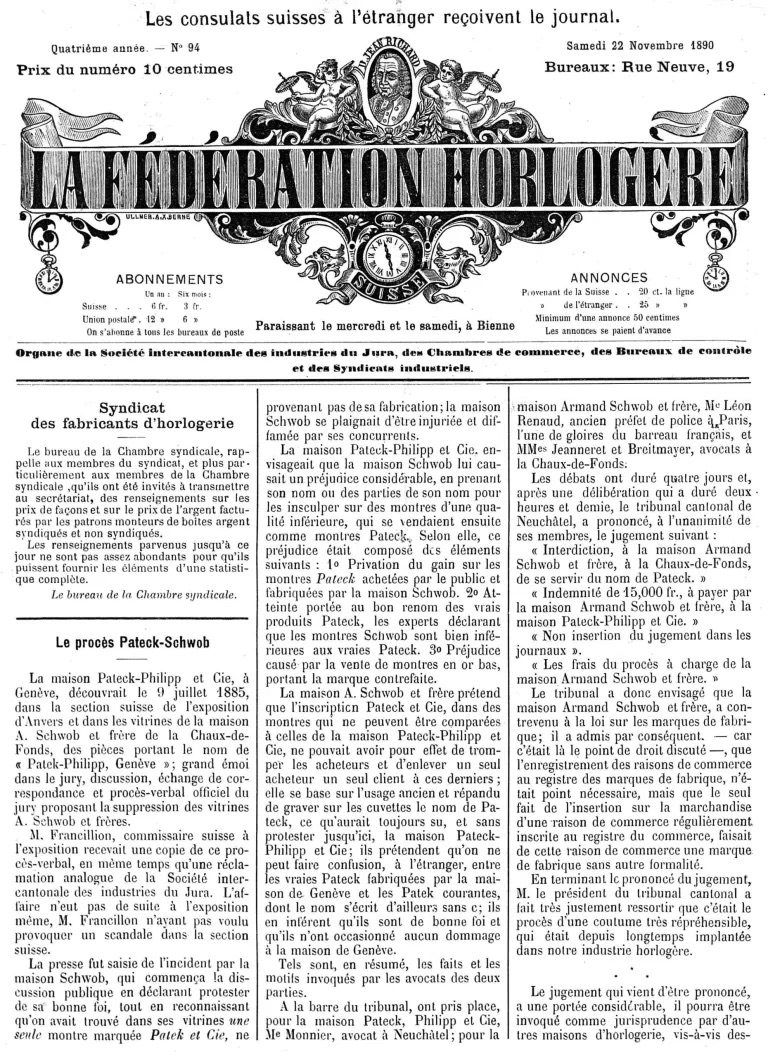
Patek Philippe was represented by a Neuchâtel lawyer, Mr. Monnier. Schwob assembled a serious defense, including Léon Renaud, a former Paris police prefect, alongside local counsel.
The arguments made in court reflect how undefined branding still was. Schwob did not deny using the name. He argued that “Pateck” was different from “Patek.” That the difference in spelling was enough. That the lower quality of the watches made confusion unlikely. And that the name “Patek” itself should not remain exclusively tied to the company after the death of its founder. Valid ngl…
At the time, those arguments were not as far-fetched as they sound now. Swiss trademark law had only been introduced a few years earlier. The idea that a name could carry enforceable economic value, independent of the product, was still being defined.
On November 18, 1890, the Cantonal Court of Neuchâtel ruled against Schwob. The use of “Pateck” was prohibited. A fine of 15,000 francs was imposed, along with legal costs.
The important part wasn’t the fine. The court established that similarity, when intentional, was sufficient. Exact duplication wasn’t required. It also made clear that a name could be protected through use and reputation, not just formal registration.
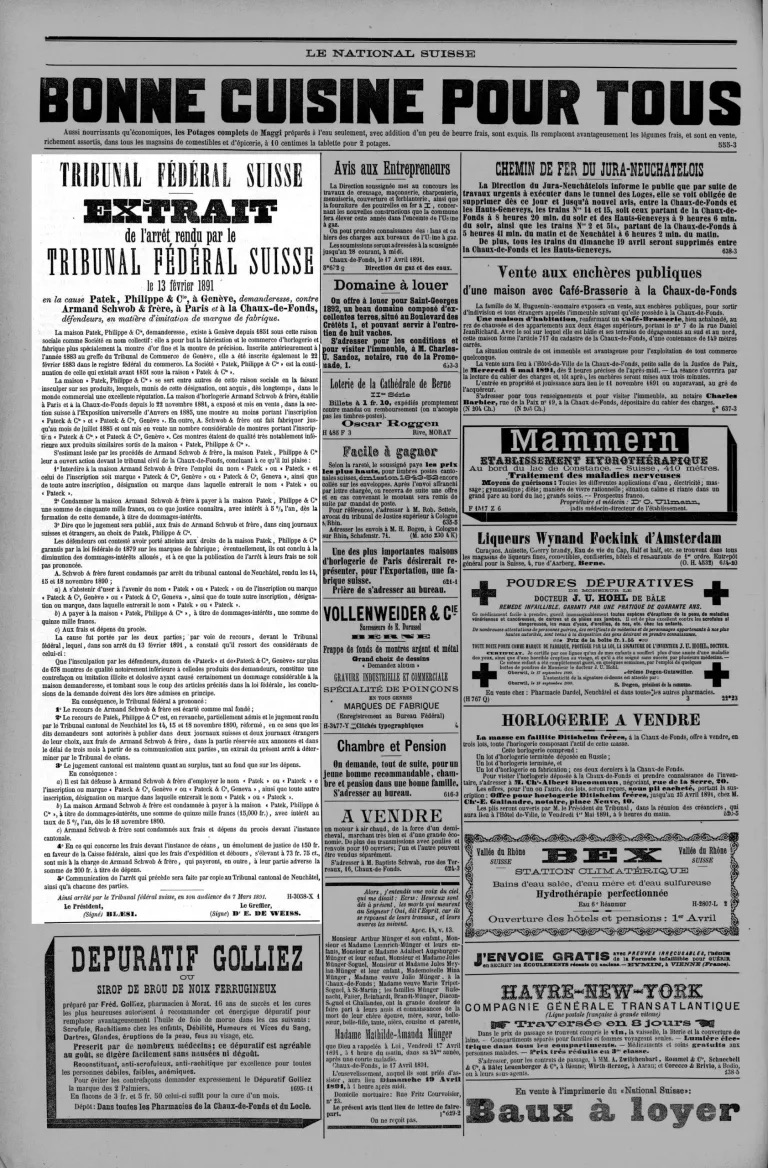
Schwob appealed and the case moved to the Swiss Federal Court, which issued its final decision on February 13, 1891. The appeal was rejected. The fine was upheld. Schwob was also required to publish the judgment in multiple newspapers, including international ones selected by Patek Philippe.
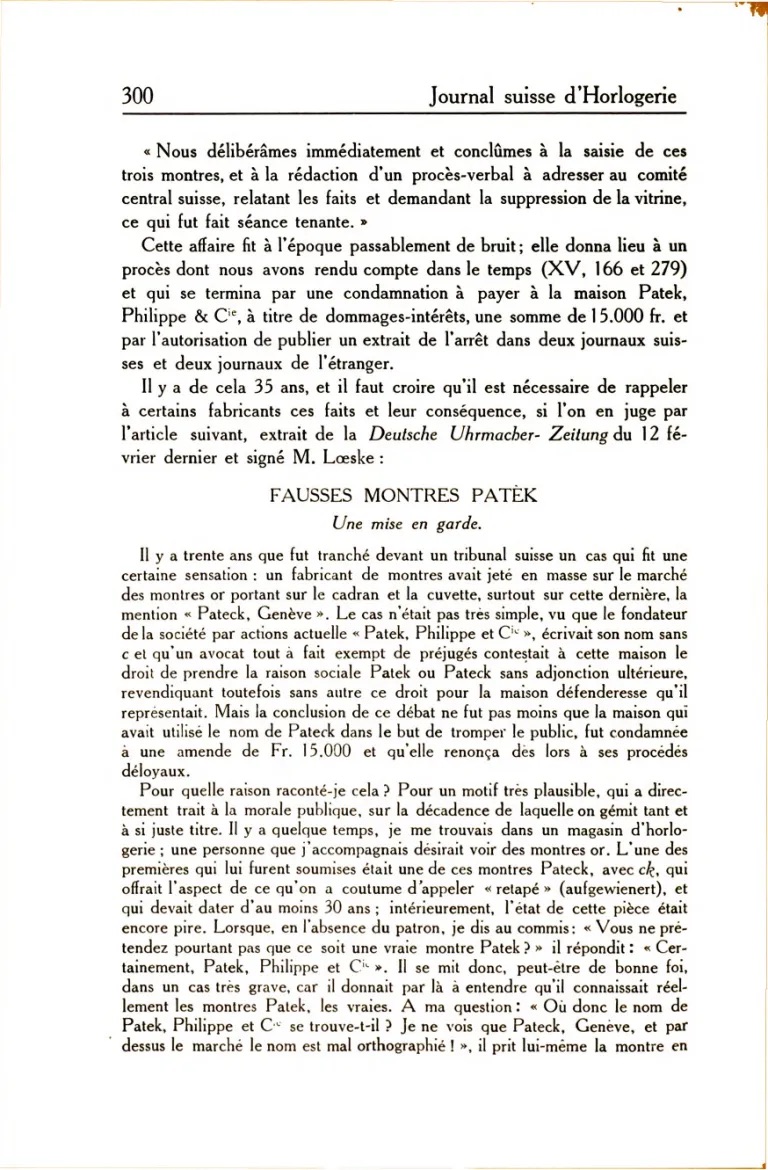
That kind of exposure, although harsh, matters.
By 1892, Armand Schwob & Frère was bankrupt.
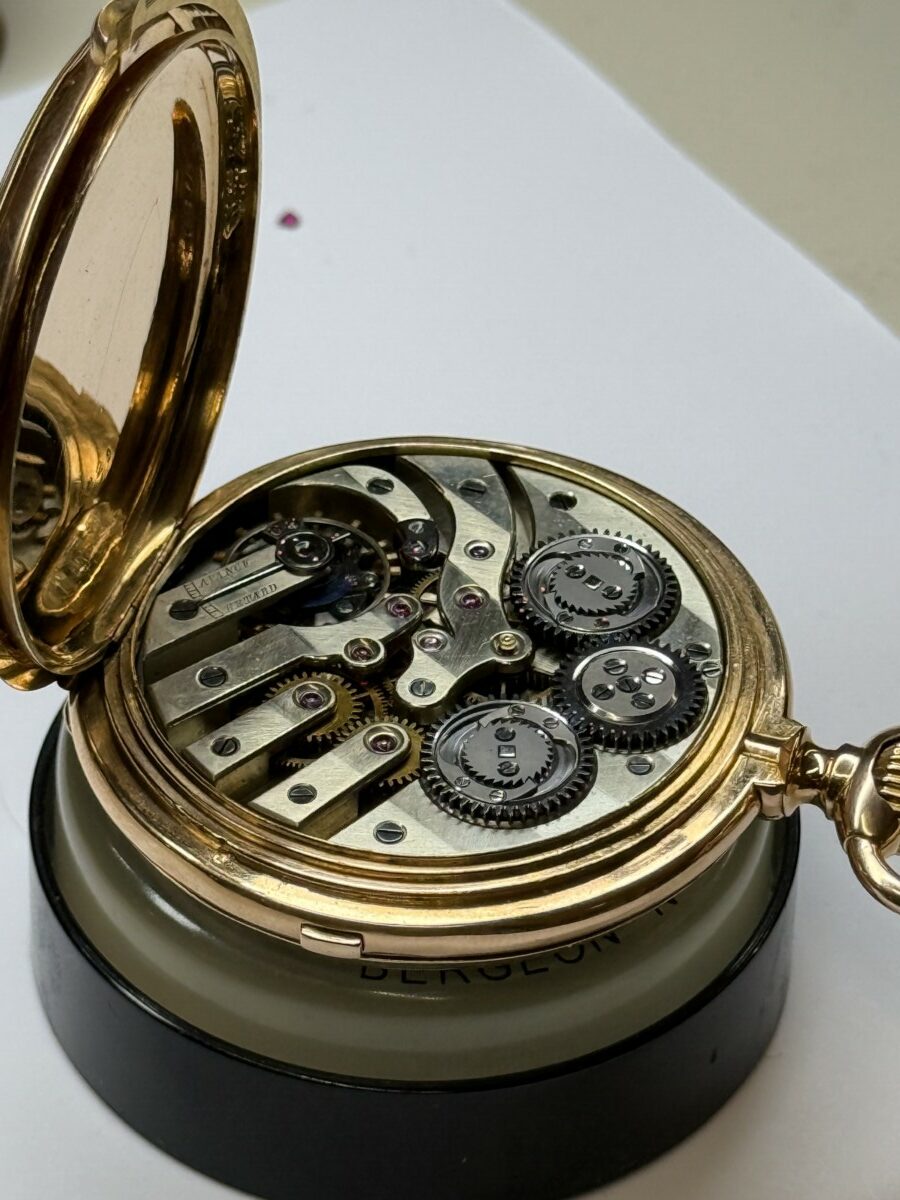
The watch I came across in Geneva isn’t just a fake. It sits directly within that group of pieces produced under Schwob’s instructions, or at the very least within the same logic. A product designed to sit just close enough to a name that already carried weight.
Finding it at the workshop of Rexhep Rexhepi makes the contrast obvious. One approach builds value through complete control over authorship. The other relies on proximity to an existing reputation.
The industry, at that point, had to decide which one it would formalize.
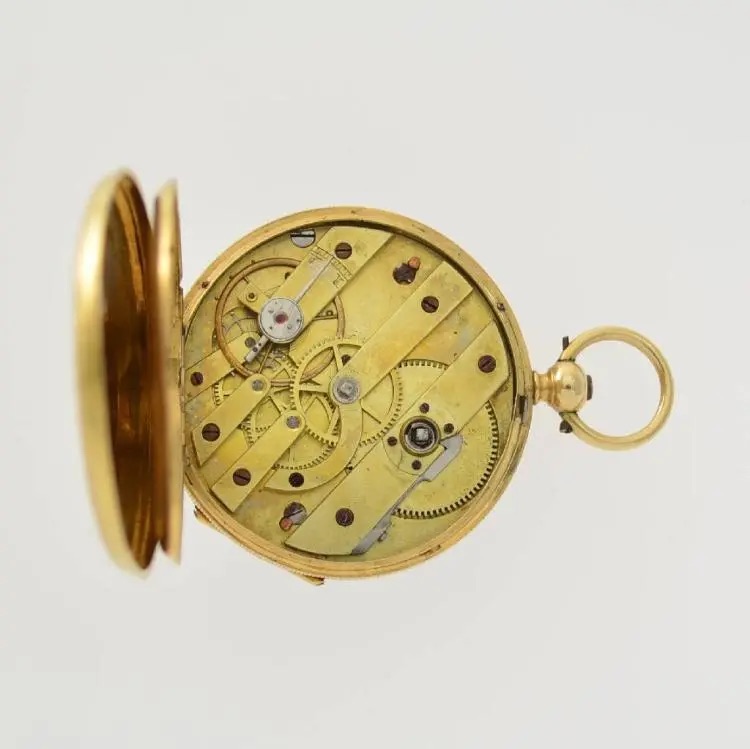
Cases like this are where that shift begins. Not with design or mechanics, but with the decision to treat the name on the dial as something that could be owned, enforced, and defended.
That’s what the “Pateck” represents. Not just a counterfeit, but a moment before those rules were fully in place. And honestly, I am not mad about it at all. Even Jean-Marc said that the watch was excellently made, and it was worth studying.
Merci Mr. Rexhep & the Akrivia team.

SUBSCRIBE NOW AND NEVER MISS A THING !