
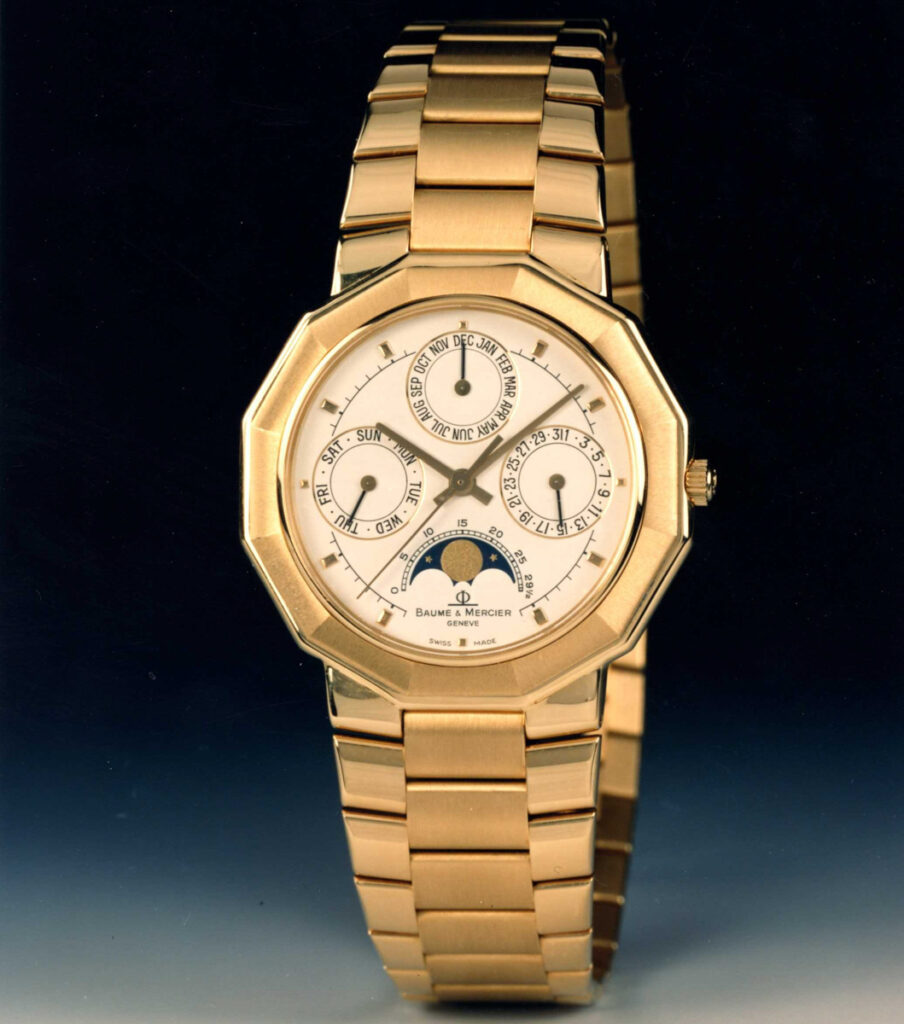
I have always had a soft spot for brands that meant more than they showed.
In a landscape where excess is often interpreted as legitimacy, Baume & Mercier has historically done something unfashionable: it stayed within reason. That reasonableness is often mistaken for timidity, or worse, irrelevance. In reality, it is far more difficult to sustain than provoke. Writing about Baume & Mercier today requires resisting the temptation to either nostalgically inflate its past or artificially dramatize its present. Neither is necessary.
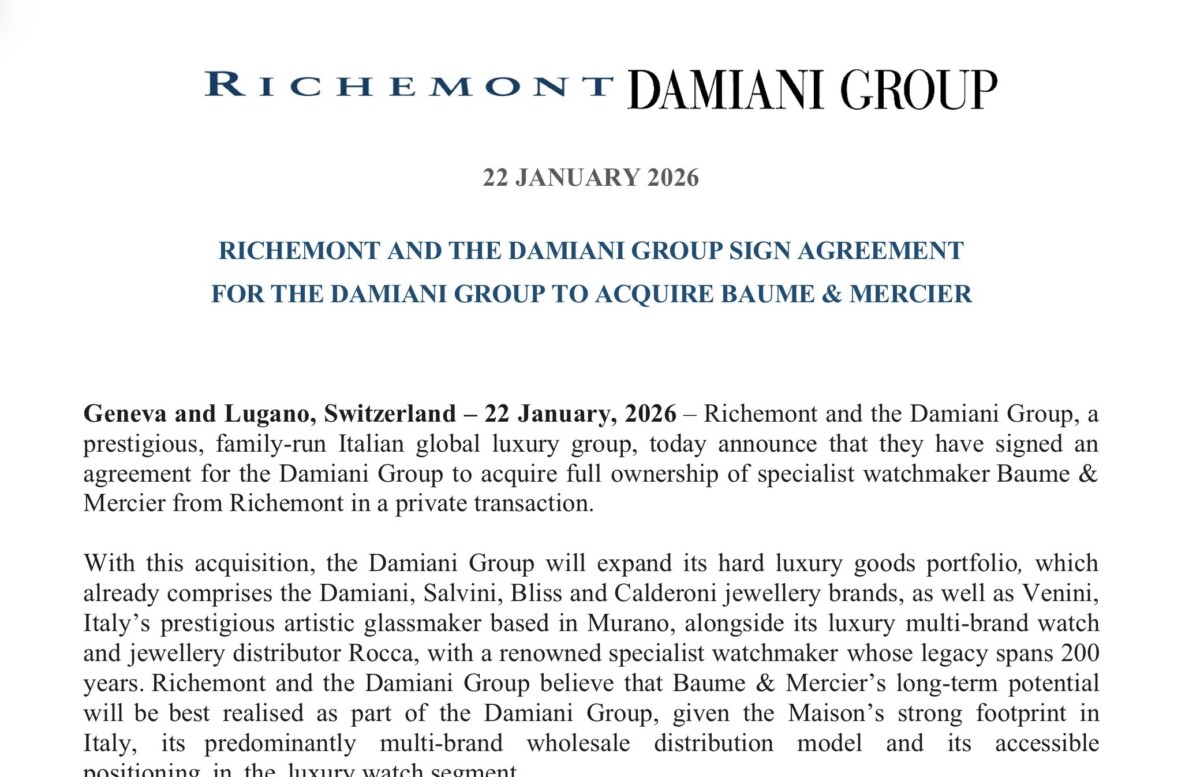
The timing of this article matters. Baume & Mercier is at an inflection point, not because of a product launch, but because of a change in ownership that forces a re-evaluation of what the brand has been, what it became, and what it is allowed to be going forward.
The acquisition by the Damiani Group is a structural event.
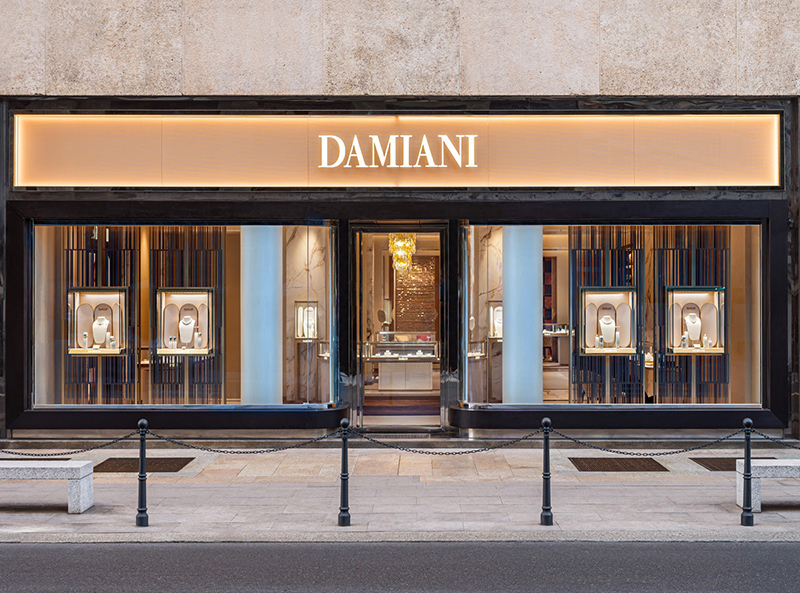
To understand its implications, one must first understand the long arc of the brand, and the particular role it has played in Swiss watchmaking for nearly two centuries.
Let’s look at the temporary first (the Damiani acquisition), then dig deep into those centuries of horological prowess.
When Richemont announced the sale of Baume & Mercier to the Damiani Group, the industry response was measured, which in itself is revealing. This was not a fire sale, but a recalibration. Under Richemont, Baume & Mercier occupied a peculiar but deliberate position. It was the group’s entry point into Swiss luxury watchmaking, positioned below the technical and artisanal heavyweights, but anchored in real heritage nevertheless. That positioning, while strategically understandable on paper, became increasingly difficult to defend in a market where the mid-luxury segment was being attacked simultaneously from below by aggressively priced independents and from above by aspirational icons.
Look at Baume & Mercier like your regular Joe in today’s economy.
In my humble opinion, for Richemont the question was not whether Baume & Mercier lacked legitimacy. It was whether the group still had the structural patience to nurture a brand whose value proposition relied on balance not dominance. The answer, eventually, was no. We all know the Bernard family’s business spirit… even the Patek acquisition is a matter of time nowadays.
For Damiani, this business move is fundamentally different. This is a group whose identity has been built on Italian craftsmanship, emotional luxury, and a strong retail footprint rather than industrial scale watchmaking. Acquiring Baume & Mercier is not about absorbing a watch manufacture into an existing horological ecosystem. It is about adding a Swiss timekeeping pillar to a broader luxury narrative. Culturally, this matters. Strategically, it frees Baume & Mercier from internal comparisons it was never meant to win.
This move does not by any means signal a push toward haute horlogerie. It signals clarity and stability. Baume & Mercier is no longer required to justify its existence within a portfolio of overachievers. It is now asked to be coherent and most importantly itself.
But Where was Baume & Mercier Before the Sale ?
Before the acquisition, Baume & Mercier was stable, respected, and constrained. The brand was doing many things correctly: consistent design language, solid movements, reliable pricing, and one genuinely important technical step forward with the Baumatic calibre. What it lacked was narrative. Not because the story was weak, but because it wasn’t sticking out.

Under Richemont, Baume & Mercier often served as a bridge brand. That role comes with advantages, but also with limitations. Innovation had to be measured. Risks had to be contained. Identity had to remain broad enough to welcome first-time buyers without alienating existing clients. The result was a brand that rarely failed, but also rarely provoked serious debate. And in today’s market, that is a dangerous place to sit. Think of it as a mall brand…
Let’s Reminisce About The Good Ol’ Days.

Baume & Mercier was founded in 1830 by the Baume brothers in the Swiss Jura. Long before the modern luxury industry existed, the brand built its reputation on chronometric precision and international reach, particularly through its London branch, which served the British Empire. The partnership with Paul Mercier in 1918 marked a shift toward design direction and day-to-day elegance, placing the brand firmly within the Geneva tradition.
The Geneva Seal awarded in 1919 confirms that Baume & Mercier was once judged by the same technical and finishing standards as houses that later became untouchable icons. The brand’s historical role is a sort of stabilizer. It absorbed stylistic movements, technical norms, and cultural shifts, and translated them into watches that made sense to wear.
That role should not be underestimated. We all need that good reliable watch.
And with that came the icons.
Riviera 1973
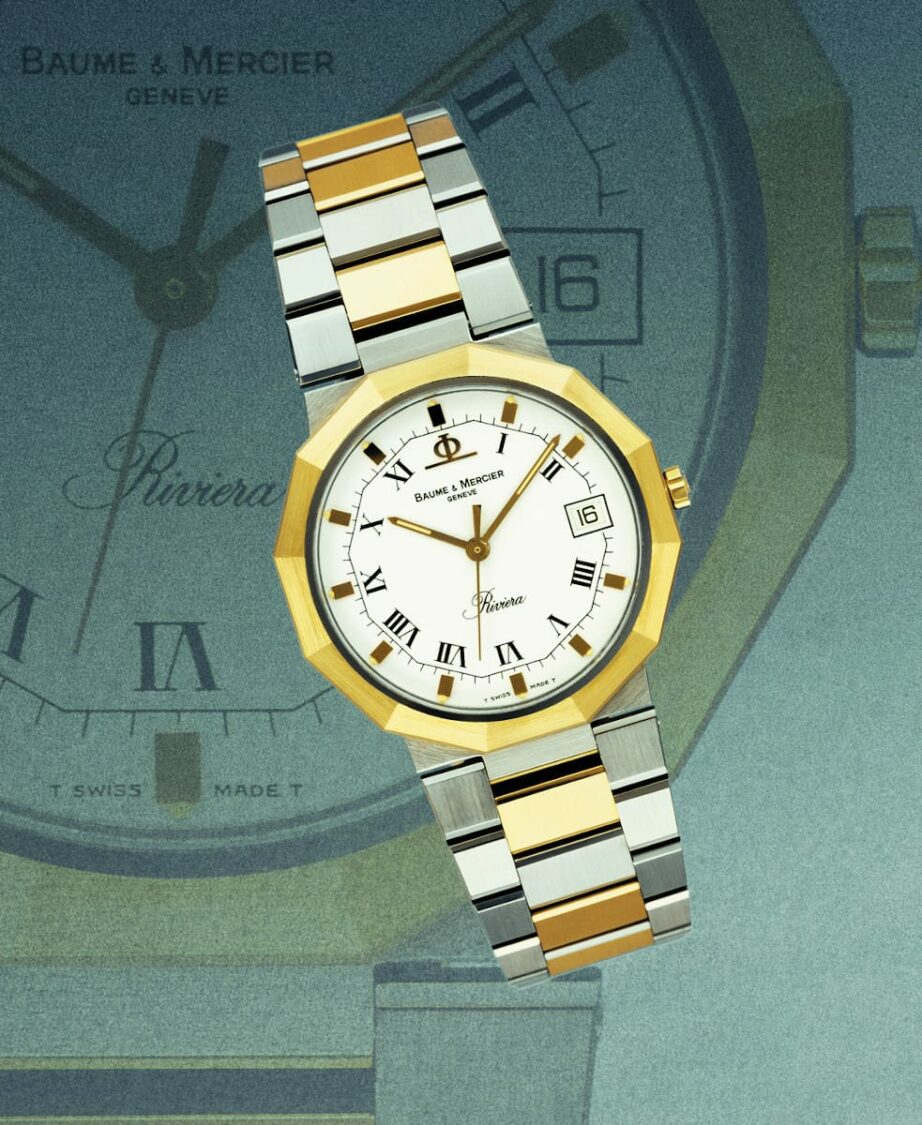
The Riviera is the most misunderstood watch in Baume & Mercier’s history, largely because it arrived at the wrong time to be mythologized correctly. Introduced in 1973, the Riviera is one of the earliest steel sports watches with a distinct shaped bezel and integrated bracelet. Its twelve-sided bezel was architectural, designed to give the watch identity within that 70s Genta era.

Technically, early Rivieras relied on reliable automatic movements. The Riviera was never meant to compete on complication. It competed on relevance and wearability. As I mentioned earlier, it sits comfortably alongside other early steel sports watches of the era, but without the hypr that followed its peers. Its recent revival works precisely because the original concept was never stretched beyond its limits.
Classima 1960s onward
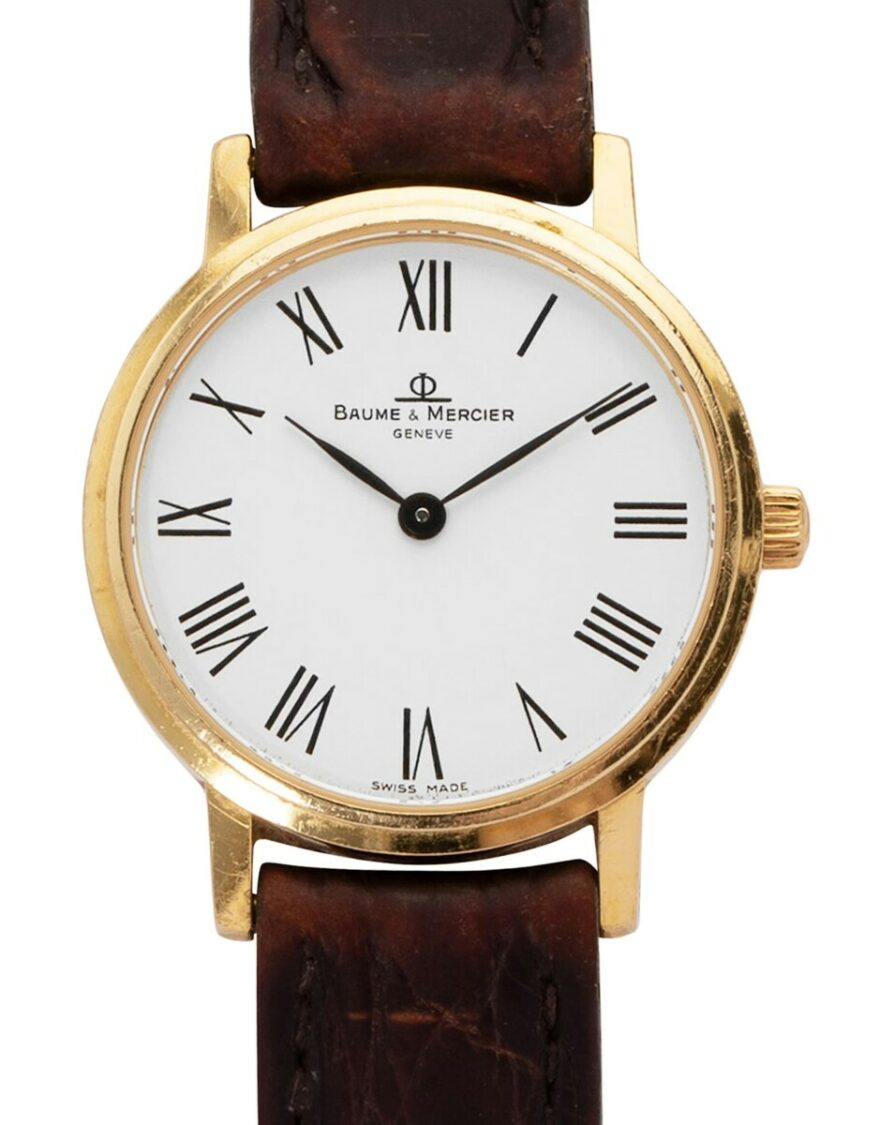
Classima is not a single reference, but an idea that matured into a collection. Emerging from Baume & Mercier’s long tradition of round, restrained dress watches, Classima represents the brand’s most consistent expression of proportion and understatement. An easy to wear gentleman’s dress watch, that’s it.
From a horological standpoint, Classima models used proven automatic and manual movements, prioritizing thinness and legibility. Their importance lies in, again, how easy they are to be worn and be lived with. This is like a Patrimony from Vacheron or early time-only Patek Calatravas ref. 96.
Capeland late 1990s
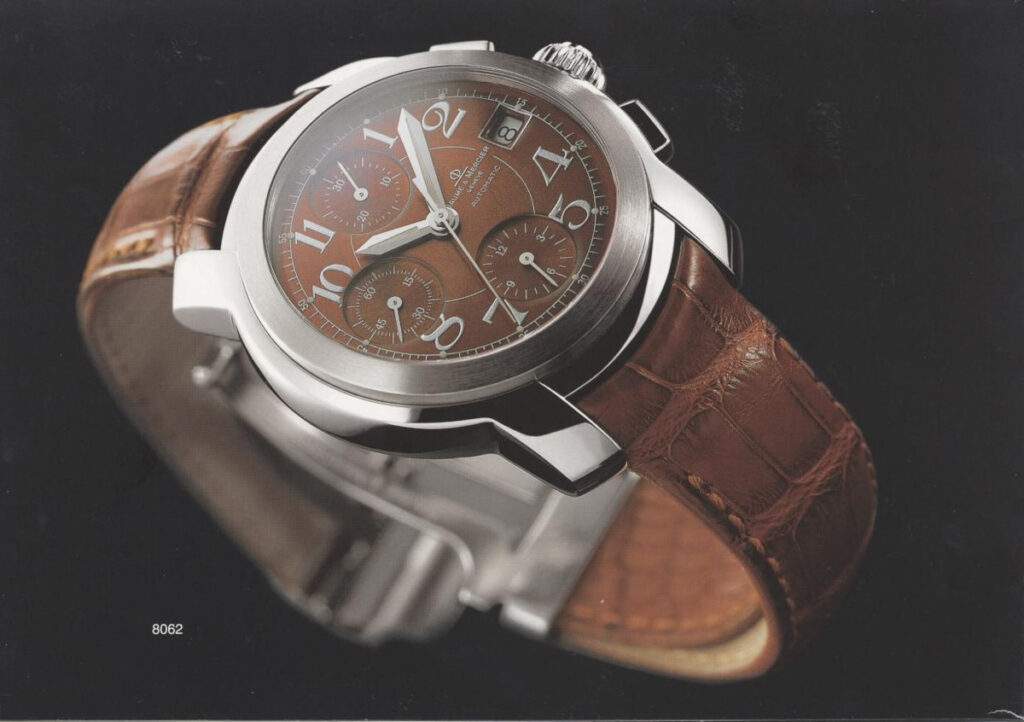
Capeland marks Baume & Mercier’s attempt to engage with sportier, more masculine watchmaking without abandoning elegance. Introduced in the late 1990s, the line incorporated chronographs, GMTs, and more assertive case profiles. Technically, these watches relied on well-regarded ébauches, often modified, rather than in-house.
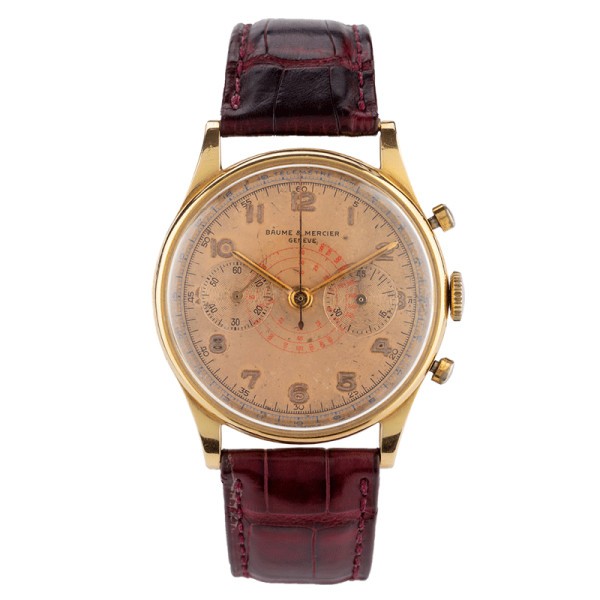
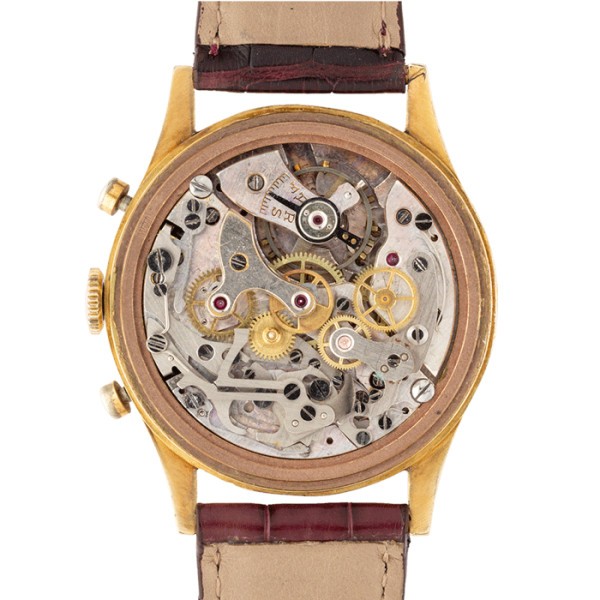
The importance of the Capeland is “cultural” rather than mechanical. It reflects a period where Baume & Mercier tested the elasticity of its identity. And the 90s was just the era actually.Some executions were more convincing than others, but the collection demonstrated that the brand could expand without embarrassing itself.
Hampton 1994
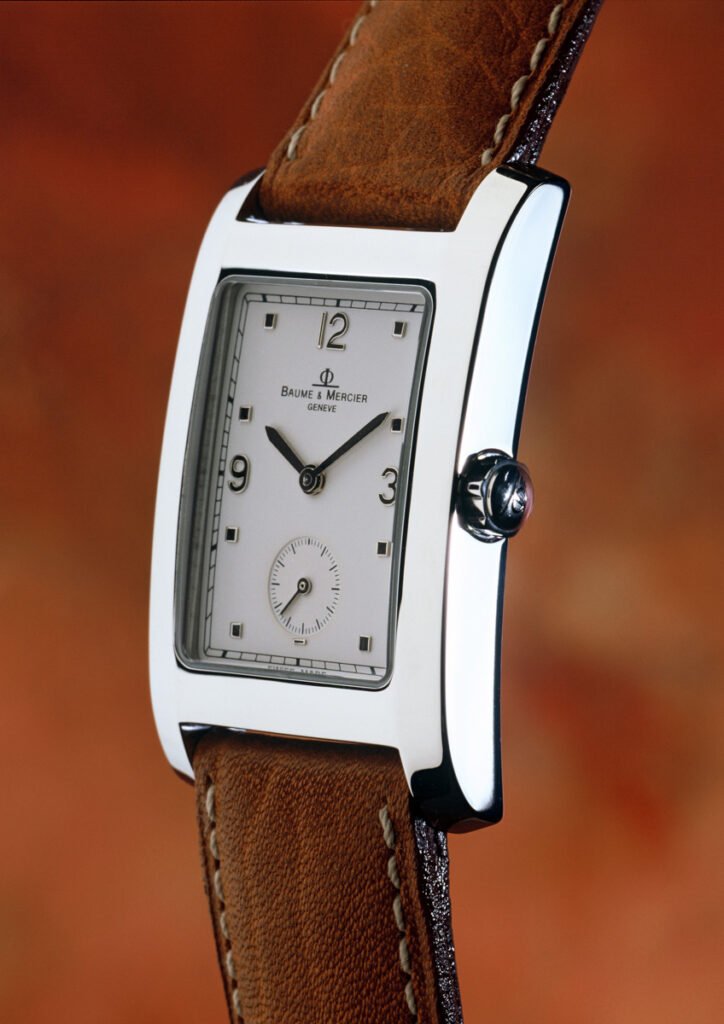
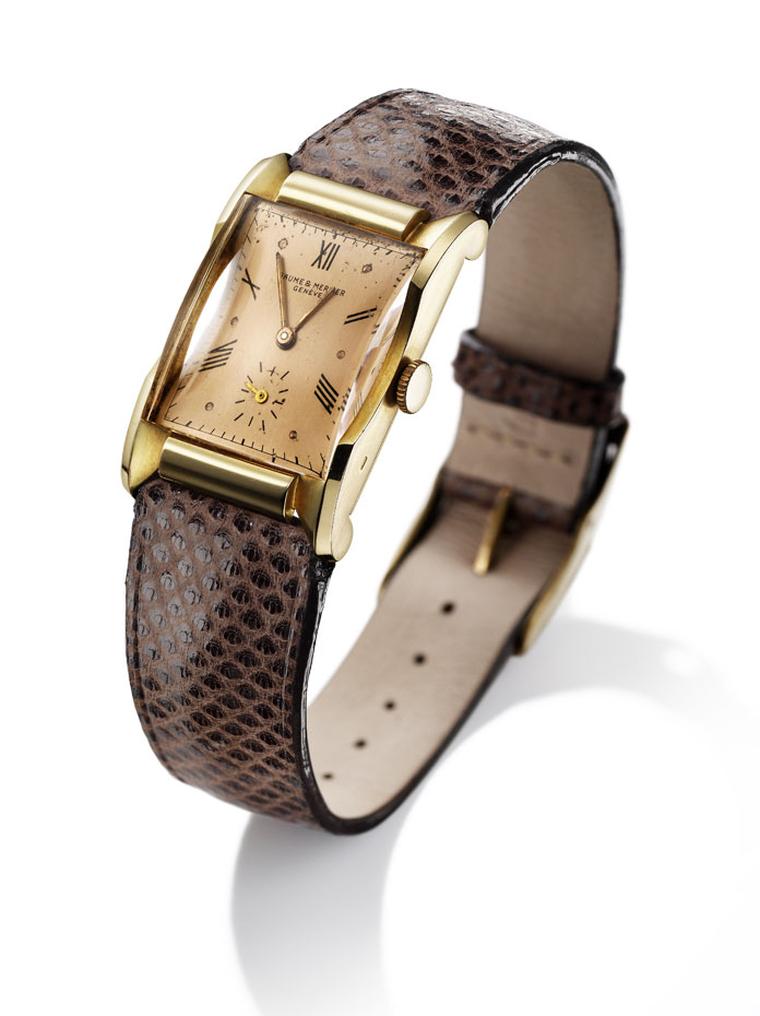
Hampton is where Baume & Mercier leaned fully into design. Introduced in 1994, the rectangular case, inspired by Art Deco architecture, was distinguishable. It was a shaped watch committing to proportion.
From a technical perspective, Hampton models were straightforward. Their strength lay in case construction, dial layout, and wearability. Think of it as a Cartier Tank Americaine with a bit more spice.
Clifton 2013 and the Baumatic Era
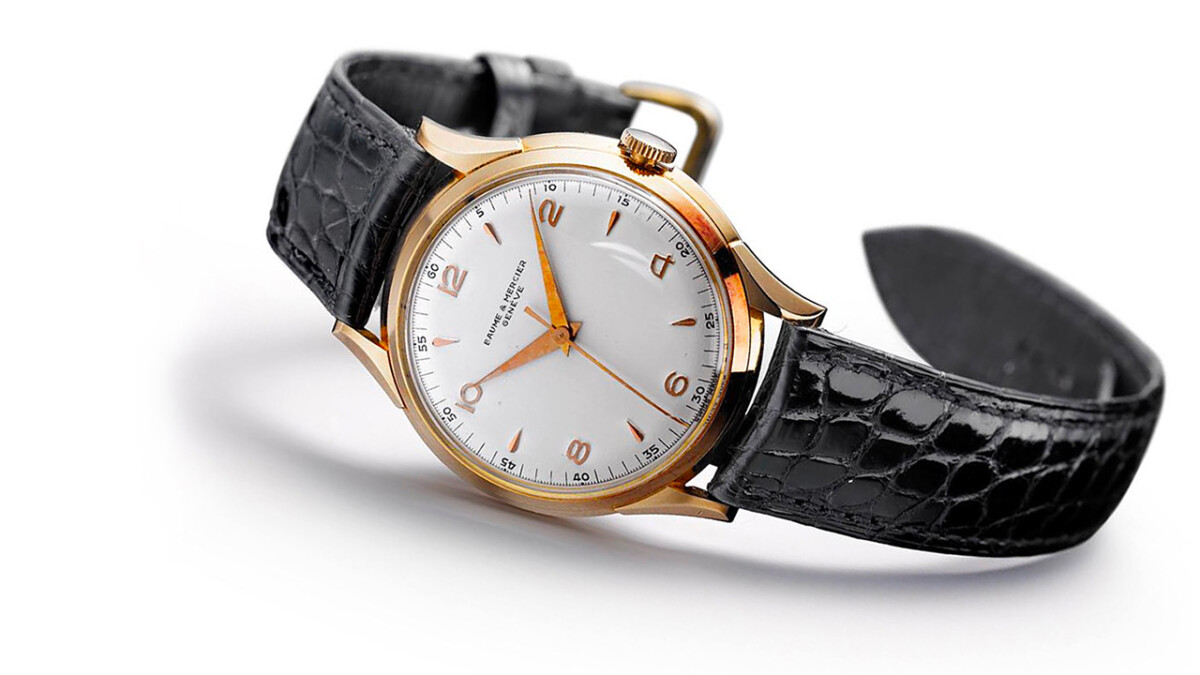
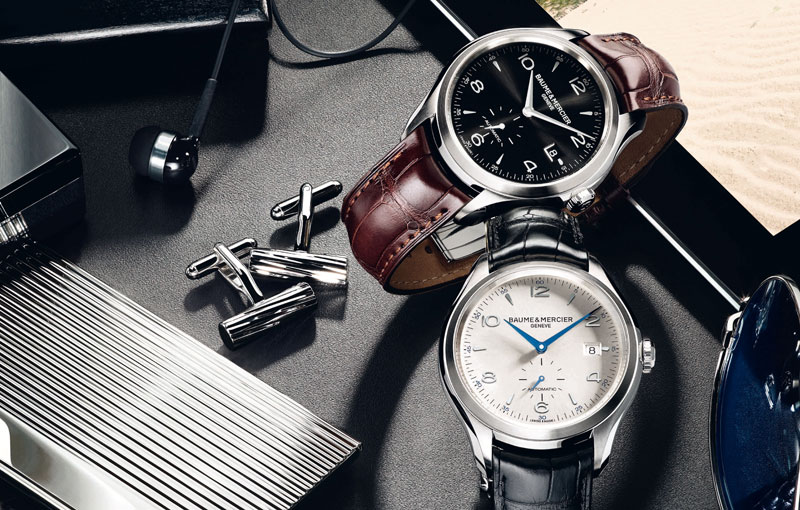
Clifton initially presented itself as a modern classic, drawing from mid-century cues without nostalgia (Mad Men). Its true importance emerged with the introduction of the Baumatic calibre in 2018. This movement represents the most significant technical investment Baume & Mercier has made in decades.
The movement:
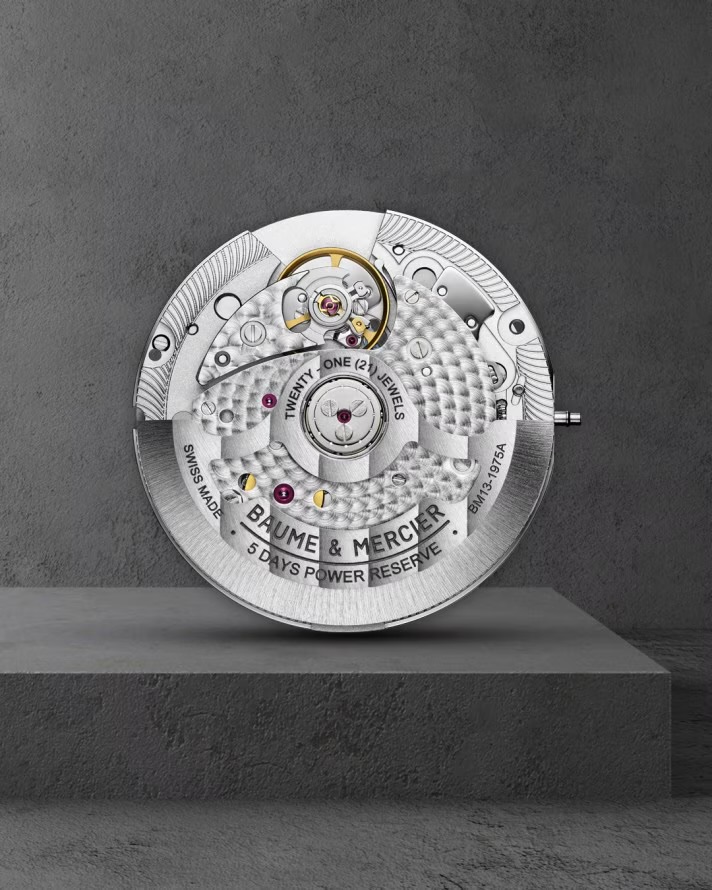
With a five-day power reserve, silicon escapement components (for ease of servicing), improved antimagnetic resistance, and extended service intervals, the Baumatic was intelligent and for the intelligent gentleman. It addressed real-world concerns. It also repositioned Baume & Mercier as a brand capable of meaningful technical decisions without doing too much.
This is where the brand subtly regained credibility among informed collectors.
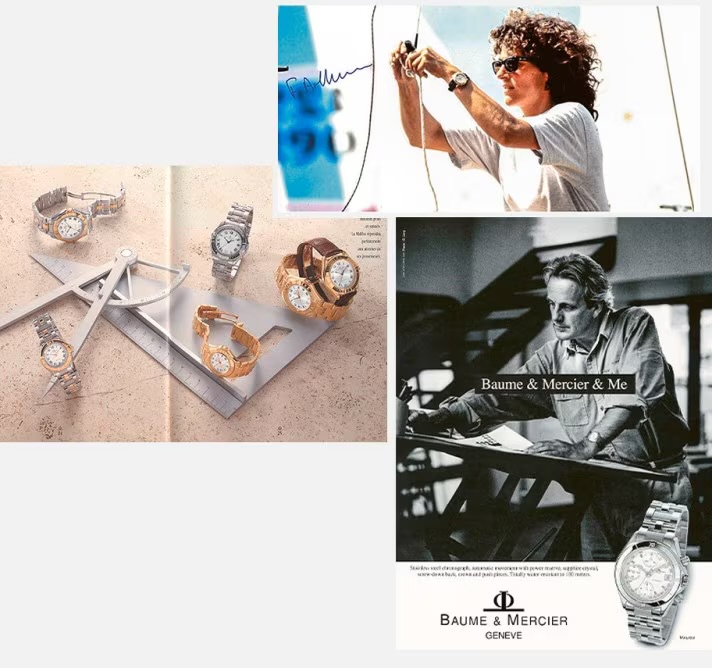
These are obviously not all the brand’s models and important references, here’s a cool selection of watches from Baume & Mercier’s vast and rich catalog.
Baume & Mercier has never been about trends and hype. And the Damiani acquisition does not rewrite the brand’s history or diminishes it. It actually clarifies it. Freed from the need to compete internally within a watchmaking conglomerate, the brand has the opportunity to sharpen its voice. And let’s be honest, a brand like this belongs within that Italian spirit of valuing quality basics. Tiktok does not have to ruin everything guys.
And let me be clear,there is space in horology for brands that do not shout, that do not chase extremes, that understand their role and execute it with discipline. Baume & Mercier has done this before. The question now is not whether it can reinvent itself, but whether it can finally commit to being exactly what it is.
More brand and reference deep dives will follow. That’s the 2026 spirit, valuing what matters not what’s trending.
SUBSCRIBE NOW AND NEVER MISS A THING !