
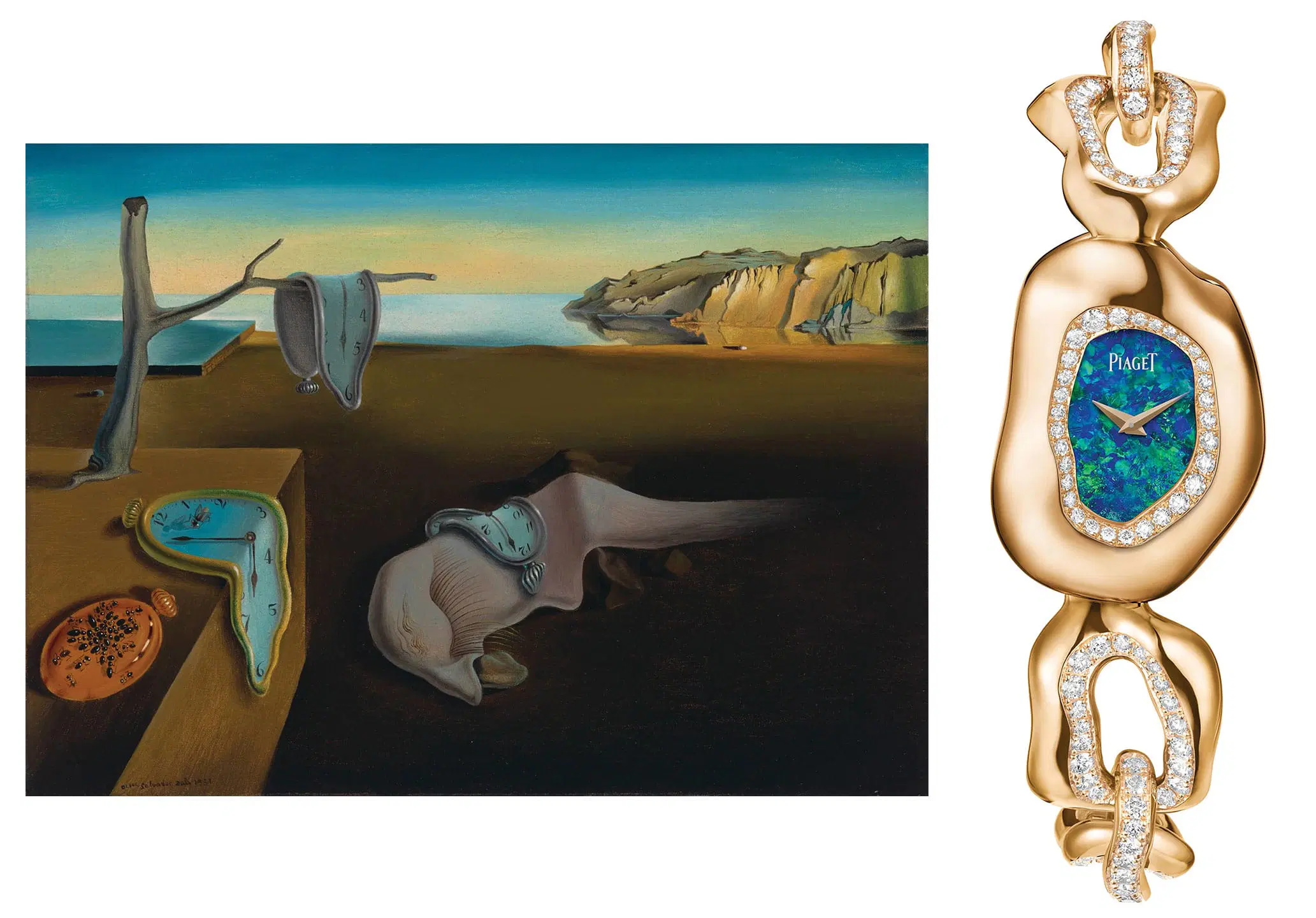
The image above—of this splendid piece of art—marks the starting point of the journey that became this article. A tumultuous one, to say the least, as I found myself haunted by it—as if it insisted, no, demanded—to be brought to life. And so here I am, on an evening meant for rest, frantically tapping away at my keyboard, heeding its call.
The Piaget Essentia collection is mesmerising to behold; its beauty transcends the traditional aesthetic standards and golden ratios of horology, embracing instead sinuous, almost topographical contours. Truthfully, these pieces are more art than watch. This is no accident. Piaget exists at the crossroads of haute joaillerie and watchmaking, merging two breeds of elite maîtres artisans: joailliers and horlogers. Think of it as S.H.I.E.L.D. assembling the Avengers—different powers brought together, each complementing and amplifying the other.
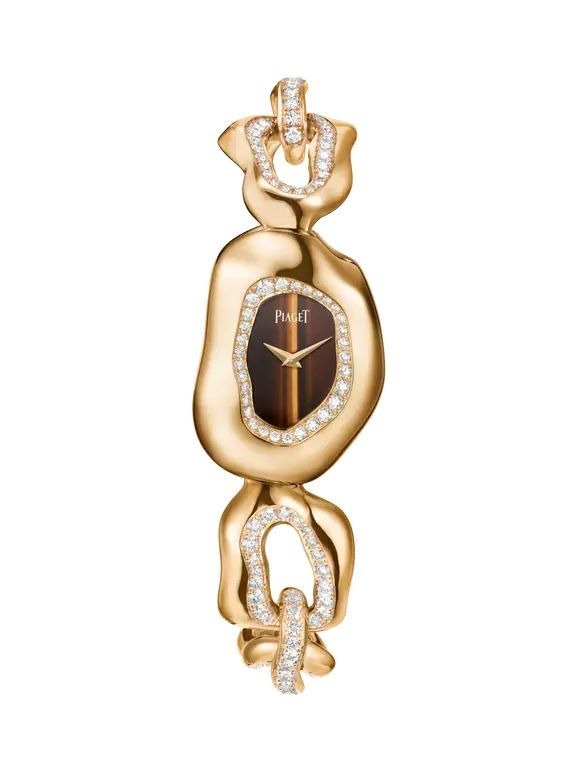
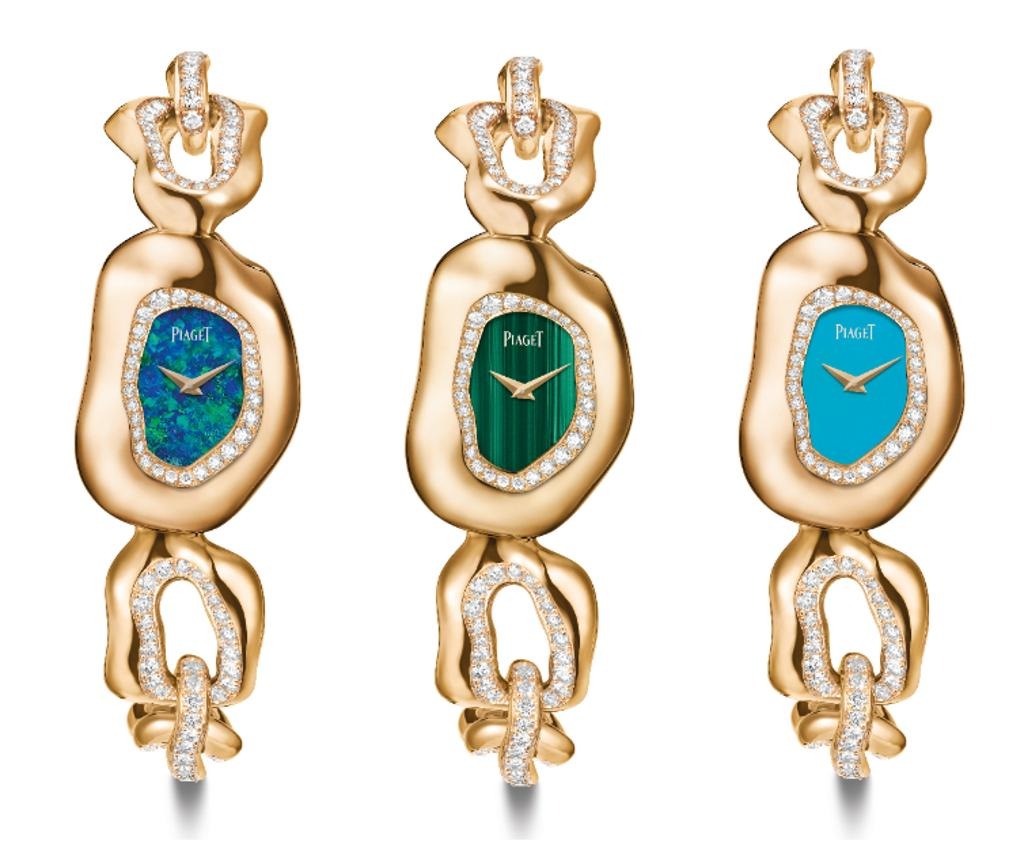
If the Essentia is a fusion of crafts, it is through its materials that this fusion becomes visible. The collection is built around a consistent architecture: a rose gold bracelet integrated into the case, with a diamond pavé framing the dial. Its variations feature ornamental stone dials—including turquoise, malachite, tiger’s eye, and black opal—each selected for its distinct visual identity. Their presence also traces a subtle chronology: turquoise, among the earliest stones worn by ancient civilizations; malachite, associated with imperial ornament and power; tiger’s eye, long regarded as a protective talisman; and black opal, a more recent fascination, prized for its shifting, almost electric play of colour.
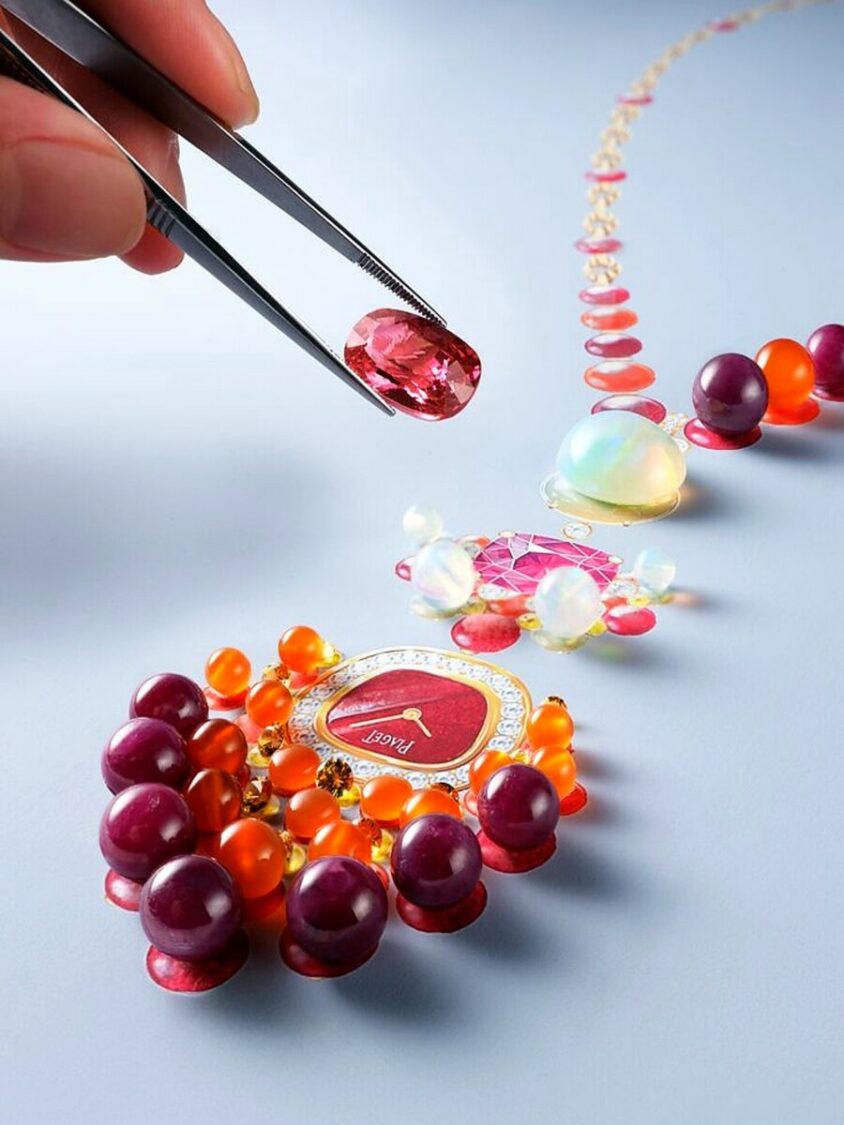
At Watches and Wonders 2025, Piaget presented the collection not as a standalone novelty, but as part of a broader heritage narrative—alongside the reinterpreted “Rainbow Aura” and the “Swinging Sautoir” and “Hidden Treasures” collections. In this context, the line reads as a contemporary extension of Piaget’s 1960s experimentation with ornamental stone dials—a modern revival of its most expressive period.
Some pieces, in my eyes, belong to the realm of Fabergé Eggs: inaccessible to most, but for all to admire throughout time. The Essentia collection, in all its variations, feels destined for that space.
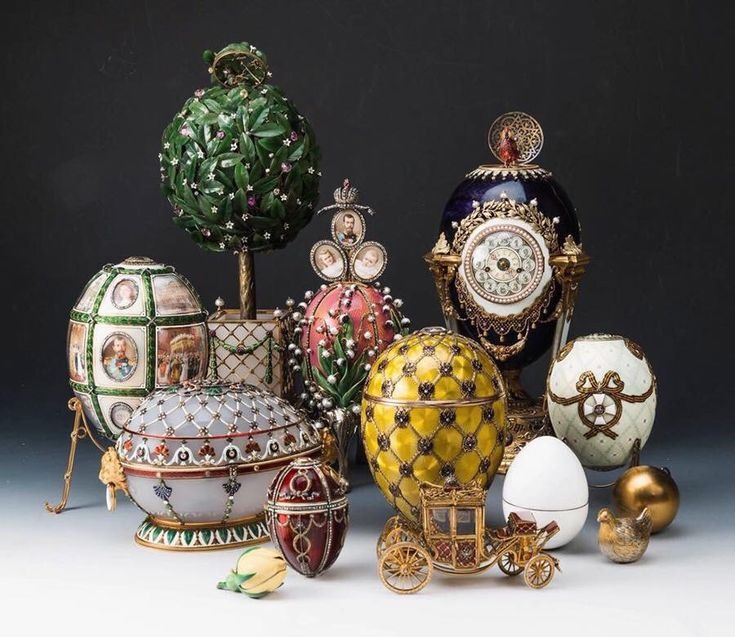
Like those eggs, these watches transcend their function. You do not wear an Essentia primarily to tell time; time becomes almost an afterthought, a secondary courtesy offered by an object whose primary purpose is beauty.
The value of such objects lies not in their utility, but in their existence. The Parthenon still stands, even for those who will never visit Athens. The Fabergé Eggs remain in museums, admired by all who encounter them.
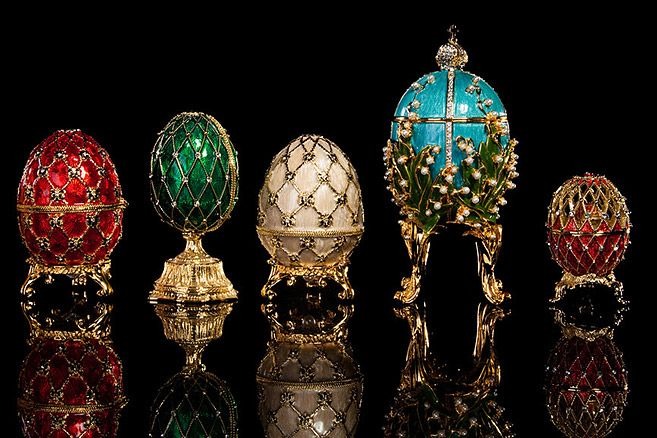
Some will object, of course. They will speak of price, of accessibility, of a world with more pressing concerns than luxury watches. They will be right—and they will also miss the point.
The point is creating for the sake of unleashing one’s creativity—to make the most beautiful thing possible, in pursuit of excellence; creating because we can, creating to be remembered, so that our creations may outlast us. It is, perhaps, the most human and noble thing one can do—something we have been doing since the earliest cave paintings, which still endure tens of thousands of years later.
Perhaps that is why the image lingered—why it refused to be forgotten—because it was never just a watch, but a reminder of what we are capable of, when we choose to create.
*All images used above are sourced externally and remain the property of their respective copyright holders.
Inass AKISRA

SUBSCRIBE NOW AND NEVER MISS A THING !